

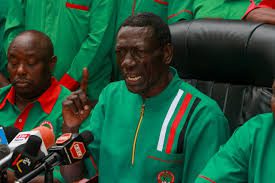
The senior government official Geoffrey Ruku has issued a stern warning to governors and Members of County Assembly (MCAs) against pointed misuse of drought relief funds, indicating intensified surveillance on local leadership as Kenya faces one of its worst periods of dry spells from the recent past.
The public will take action against those public officials lucky enough to figure among those who were entrusted with these emergency funds only that a shilling reaches the intended beneficiaries, particularly the severely vulnerable households facing drought of significant proportions. This voiced concern over improper handling and associated accountability as counties roll out relief efforts from funds provided by the central government and development partners.
“Those who have been entrusted with such funds should know those who they are serving—the people. There shall be no tolerance for the misapplication of such resources,” he added, emphasizing that any diversion or misallocation of drought relief aid is an act of betrayal against these people’s trust. Ruku argued that the priority should logically entail implementing food security, along with water provisions and support for families affected by drought.
This cautious note was sounded justly, as the populace has shown serious displeasure in many counties where drought intervention funds are held up as a result of intransparent use, are pilfered from the rightful recipients, or are absent from those most likely to suffer. Community watch groups and Chap-Waga residents further echoed these sentiments, arguing that inefficiency and opacity in distribution must throw cushioning of communities supposed to be during the lean times out sympathetically.
You must direct all county leaders to establish cooperative relationships with both drought committees and local stakeholders who need essential services to identify their most urgent requirements and to create transparent records of all disaster relief spending. He indicated that those who misused funds would receive disciplinary or legal penalties while he presented resource management as a duty that people should execute because it constitutes both a legal and moral obligation.
The northern and eastern regions of Kenya face severe water shortages because drought conditions have caused livestock deaths and food shortages, which has triggered the government to implement multi-sectoral programs that receive funding from emergency budget allocations. The affected families depend on these resources, which will support water trucking operations, livestock assistance programs, and food distribution efforts.
Civil society organizations and local advocacy groups have welcomed Ruku’s warning because they have demanded emergency resource management to follow transparent practices and undergo thorough monitoring. His statements about accountability establish a framework for drought response operations because they indicate that all forms of public fund misappropriation will face consequences throughout all levels of government.
Drought Crisis Turns Political as Ruku Warns of Consequences









Leave a Reply