

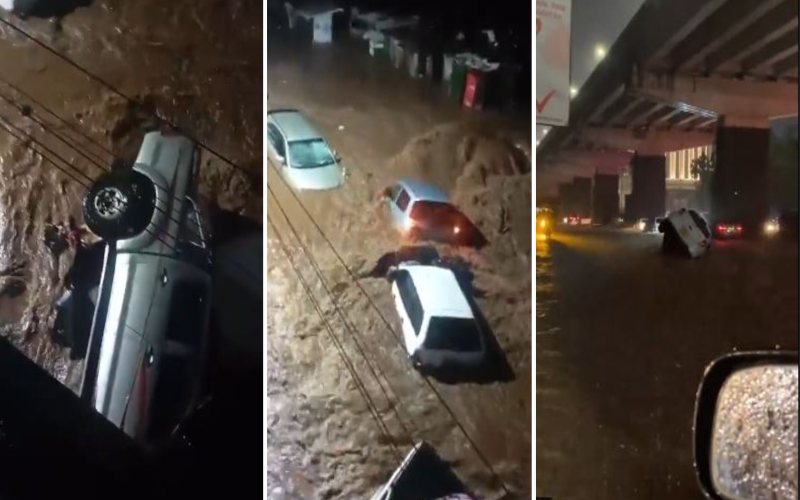
A deepening humanitarian catastrophe has seized the Kenyan capital as the national death toll from relentless flash floods surged to 71, leaving the government struggling to contain a spiraling urban crisis.
The latest situational report from emergency response teams confirms a grim milestone in the ongoing deluge. Nairobi remains the epicenter of the devastation, accounting for the highest concentration of fatalities and missing persons. What began as seasonal rainfall has mutated into a lethal hydraulic surge, overwhelming the city’s aging drainage infrastructure and turning informal settlements into death traps.
In a chilling development, search and rescue operations in the Mathare and Mukuru belt have transitioned into recovery missions. Heart-wrenching accounts from the ground suggest that the official toll may still be a conservative estimate, as several residents remain unaccounted for after their dwellings were swept into the swollen Nairobi River.
The scale of the disaster has exposed a catastrophic failure in urban planning and disaster preparedness. While the Meteorological Department had issued prior warnings, the sheer velocity of the floodwaters caught thousands of commuters and residents off guard. Major transit arterial roads have been rendered impassable, effectively isolating key residential hubs and paralyzing the city’s economic heartbeat.
Government spokespersons have issued an urgent evacuation mandate for those residing within riparian corridors, warning that the worst may be yet to come. “The saturation levels of the soil have reached a breaking point. Any further precipitation will result in immediate surface runoff,” a senior disaster management official stated.
As the death toll climbs, questions are being raised regarding the adequacy of the national relief fund. With thousands now displaced and seeking refuge in makeshift camps, the threat of waterborne disease outbreaks looms over the flood-ravaged capital.
The situation remains fluid and extremely dangerous. Authorities are urging the public to avoid all unnecessary travel and to treat every rising water level as a life-threatening event. For a city already under strain, this record-breaking rainfall has transformed the “Green City in the Sun” into a landscape of grief and aquatic ruin.










Leave a Reply