

A new report, dubbed the Kenya National Gender and Corruption Survey 2025 released by the Ethics and Anti-Corruption Commission (EACC), indicates an increase in the national average bribe amid dwindling public confidence in government commitment to fight graft.
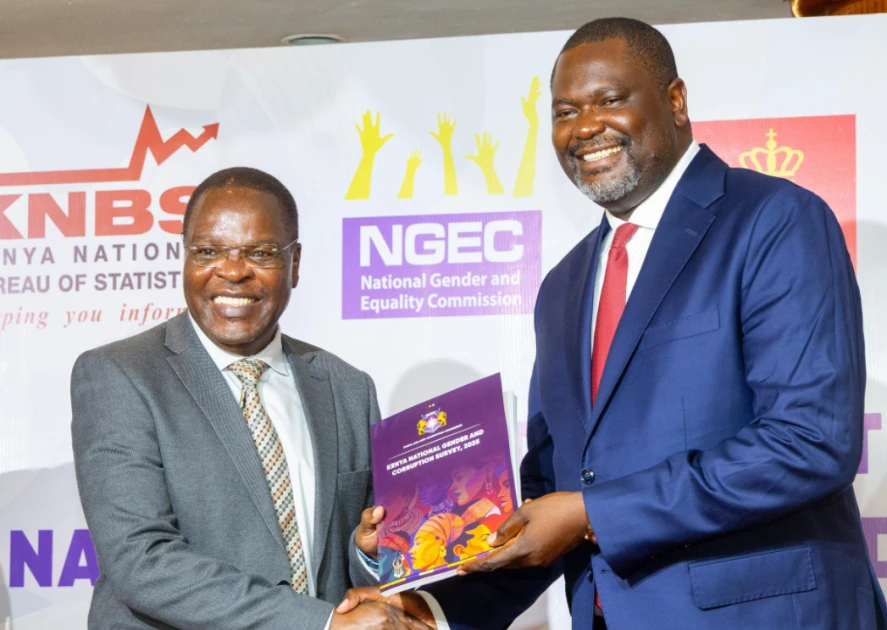
The report also shows that while women stand a higher chance of giving bribes or being asked for sexual favours, they are less likely to report incidences of corruption.
Only 14.6% believe that the government is committed, while 73% believe it is not. Over 98% of Kenyans who paid bribes in 2025 did not report their experience to any official institution.
“98.6% of Kenyans who paid bribes in 2025 did not report their experience to any official institution. And out of the 1.4% who reported, 57.2% were men compared to 42.1% women. Most respondents stated that nothing happened even after reporting bribery, while others were advised not to proceed with their report,” read the report.
The report, which brings to the fore the gendered face of graft, also exposes a concerning culture of silence and the vulnerabilities of women.
“Overall, 8.4% of Kenyans reported having received indirect requests for sexual favours. 3.4% of women received direct requests for sexual favours, which is four times higher than the rate for men at 0.8%,” read the report.
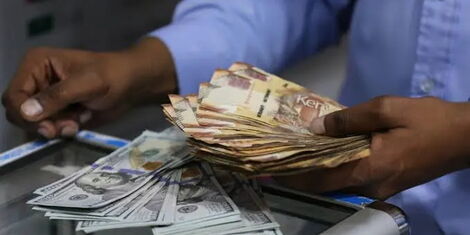
“The national average bribe increased considerably from Ksh.4,878 in 2024 to Ksh.6,724 in 2025,” EACC CEO Abdi Mohamud noted.
EACC chairperson David Oginde on his part added, “While at the lower level of status and micro corruption, women are serious victims of corruption; on the other hand, at the higher level of society, women are increasingly becoming facilitators of corruption.”
For bribery, 35.5% of respondents reported having given a bribe to police officers, civil registration officials (30.0%), National Transport and Safety Authority officers (25.4%), land registry officers, and registration of persons officers.
Reasons for issuing bribes ranged from speeding up procedures, seeking access to services, to avoiding payment of fines.
“Women are more affected by these indirect requests as compared to men, particularly women seeking medical services and jobs,” stated Mohamud.
Kenyans paid as high as Ksh.85,000 while seeking government jobs, at least Ksh.12,000 for a passport, and Ksh.1,900 for a driver’s licence, identity cards, and birth certificates.
The largest average cash bribe was paid to court magistrates at Ksh.164,367, followed by land registry officers, with police officers topping the list of public officials who receive bribes.
Most bribery cases were reported in the counties of Kakamega, West Pokot, Isiolo and Vihiga. The least number of cases were reported in Nyamira County, Kilifi County, and Baringo County.
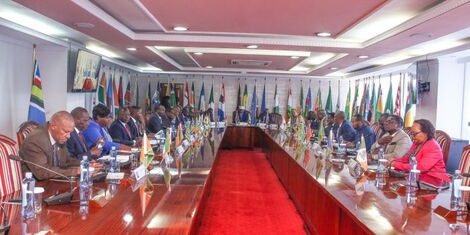
“Government is committed to fighting corruption in the public service,” said Public Service Cabinet Secretary, Geoffrey Ruku, who was the guest at the event.
The survey has recommended the development of gender-responsive anti-corruption strategies, secure reporting channels, and reforms in payment for government services.









Leave a Reply