

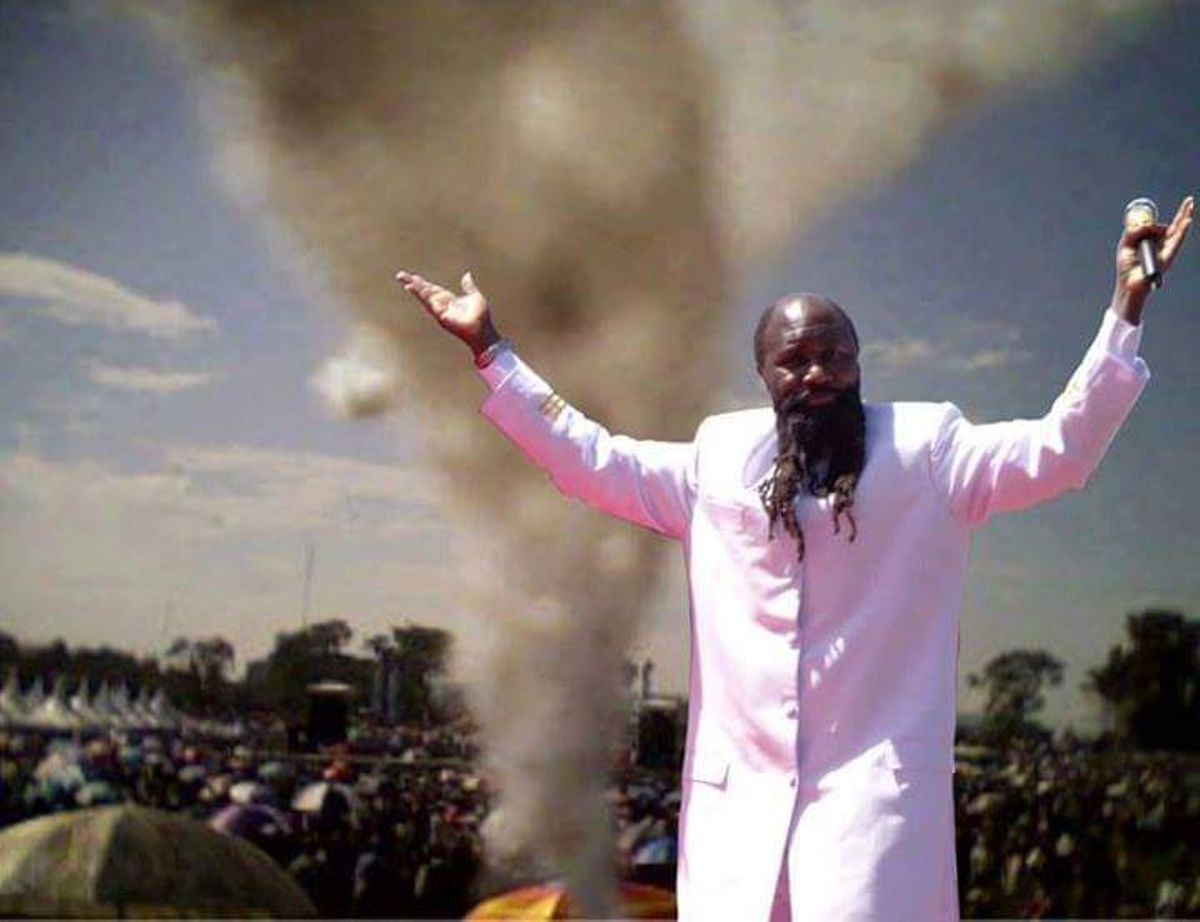
In a very surprising turn of events, the National Council of Churches of Kenya (NCCK) has banned the claims of miraculous healing related to the preacher David Owuor, and at the same time, the controversy of healing has been brought back to the ground.
With this statement, NCCK has changed its position from neutrality or tacit acceptance to active participation, and thus the whole debate over faith healing has been dragged into national discussions.
The leadership of the NCCK, who were speaking in Nairobi on Tuesday, warned the faithful not to believe in the unproven claims of supernatural cures that have been spread all over social media and that have been talked about in circles of religious gatherings.
The umbrella body of churches has made it clear that God alone has the power to heal both the spirit and the body, and the claims of a preacher being able to wipe out diseases are nothing but a trap that misleads the public.
Rev. Elias Otieno, the chairperson of the Council, delivered what is perhaps one of the most severe rebukes from the organized church establishment so far, advising the faithful not to abandon medically proven treatment in favor of the claimed miracle cures.
NCCK officials stated that faith and medicine should be integral parts of each other, but at the same time they unconditionally rejected the narratives of placing pastors above medical science or the scientific approach to treatment.
The criticism is in connection with the recent striking controversy in which Owuor claimed to have performed miraculous healings on people with severe diseases like HIV/AIDS and other chronic illnesses.
While supporters have put out testimonials, the national medical regulators have already raised alarm, and the Health Ministry has called for thorough investigations to be conducted into the claims.
NCCK also pointed out the lack of control measures in the religious sector and noted that there are many independent churches that are not under the supervision of the recognized structures.
The council called upon the lawmakers and the religious leaders to cooperate in creating legislative frameworks that will promote accountability without restricting the activities of the true worshippers.
The KMPDC, in the face of growing scrutiny, has issued a warning to the public against neglecting medical treatments and relying instead on unproven spiritual claims. They assert that any such claims of curing life-threatening illnesses must be substantiated with credible clinical evidence, or else the lives of the patients could be put at risk.
The ongoing debate has the whole country talking, while the NCCK’s strong rejection of Owuor’s assertions raises the controversy to the level of public safety, health policy, and church-state relations—an issue that remains in the making.




Leave a Reply