

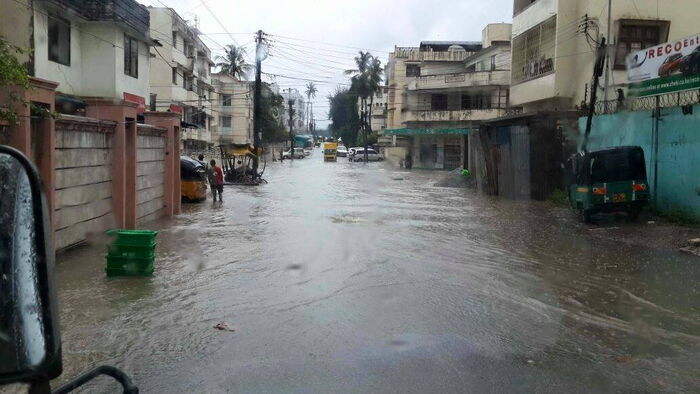
Rainfall is expected to continue in parts of 38 counties until Thursday, December 3, the Kenya Meteorological Department has said, urging farmers and communities to harvest and put the water to use.
In a weekly rainfall update shared on its X account on Thursday, November 26, the department listed counties expected to receive rain in Nairobi, the Coast, northeastern Kenya, the Rift Valley, Western and Nyanza regions. The forecast covers November 26 to December 3 as the country continues through the October-November-December (OND) rainy season.
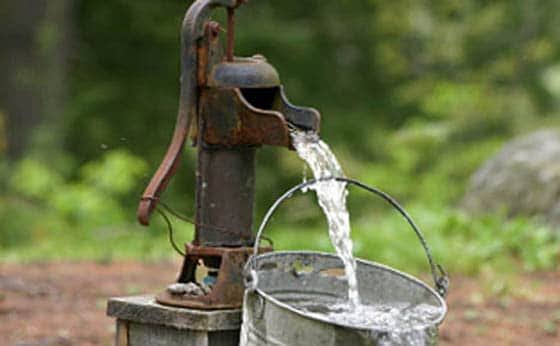
The department encouraged communities, farmers and other stakeholders to “make good use of the available rainwater” to boost agricultural production, support livestock development and strengthen water security. Farmers were advised to plan planting and other farm activities according to local weather conditions.
The counties listed include Marsabit, Mandera, Wajir, Samburu, Nyandarua, Nyeri, Meru, Kirinyaga, Kiambu, Murang’a, Embu, Tharaka-Nithi, Laikipia, Kwale, Mombasa, Kilifi, Lamu, Kitui, Makueni, Machakos, Nairobi, Taita Taveta, Tana River, Garissa, Nakuru and Nandi.
A separate five-day forecast issued on November 27 and reported by K24 Digital gives a day-by-day picture. Rain spreads to 16 counties on Tuesday, December 1. Wednesday, December 2, is expected to be the wettest day, affecting 27 counties. By Thursday, December 3, the rain clears in most places, with only Kwale expecting light showers.
The weekly outlook does not specify which days individual counties will get rain. Some residents in Nairobi, Machakos and Mombasa have also questioned the forecasts, saying their areas have stayed dry despite earlier predictions.
The latest update follows earlier warnings from the department. In September, it cautioned that above-normal rainfall was likely between October and December, which could bring floods, landslides, damage to buildings and displacement of families. It urged people living in flood-prone areas to move away from river reserves. Its seasonal outlook also considered the possible effects of a strong El Niño occurring alongside a positive Indian Ocean Dipole.











Leave a Reply