

In an urgent bid to contain a nationwide transport insurrection, the National Treasury has announced an absolute freeze on fuel prices until the next June EPRA cycle effectively forcing Kenyans to survive at the highest financial ceiling in the country’s history.
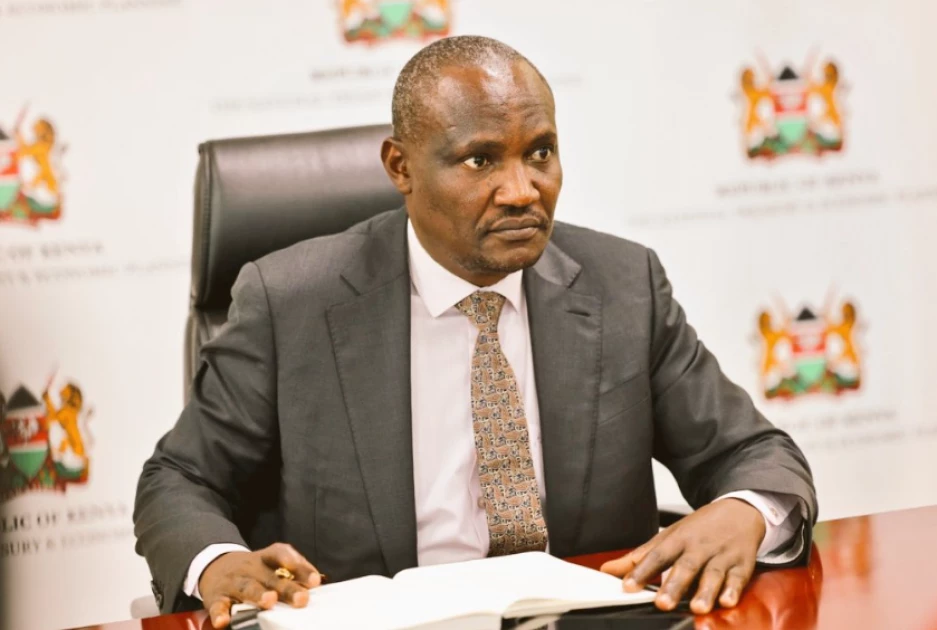
The twisted mechanics of this executive intervention sit right in the optics of the “freeze.” While Treasury Cabinet Secretary John Mbadi frames the decision as a stabilizing shield against global oil shocks from the Middle East conflict, the reality is a brutal economic lockdown.
The state isn’t lowering prices; it is permanently anchoring them at the catastrophic May highs, locking diesel at a record Sh242.92 and super petrol at Sh214.25 per liter. By calling this a “cushion,” the government has masterfully transformed historic peak inflation into the mandatory baseline for the next month.
The structural vulnerability behind this move is the quiet evaporation of the state’s financial arsenal. The Petroleum Development Levy (PDL) fund, which entered the crisis with Sh17 billion, has been rapidly depleted. With Sh5 billion cannibalized in May alone, leaving a microscopic Sh5 billion reserve for the rest of the fiscal year.
This freeze isn’t a benevolent subsidy extension; it is an emergency operational pause, born out of absolute fiscal exhaustion. The state can no longer afford to lower the price, nor can it survive the kinetic disruption of further weekly market spikes.










Leave a Reply