

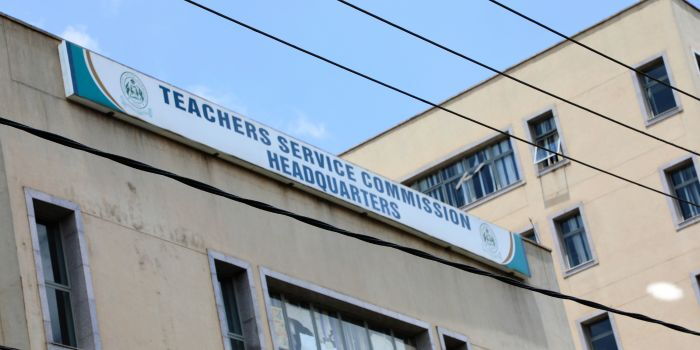
In a fiscal move of unprecedented scale, the Teachers Service Commission (TSC) has submitted a staggering Sh422.9 billion budgetary request to Parliament, signaling an aggressive attempt to overhaul the nation’s struggling education sector.
The massive financial blueprint, presented before the National Assembly’s Education Committee, marks a desperate pivot to resolve the chronic staffing crisis that has crippled public schools for decades.
The “twisted” reality behind this gargantuan figure is the TSC’s admission of a systemic failure: despite billions previously injected into the sector, the commission still faces a deficit that requires the immediate recruitment of 16,000 additional teachers just to keep the current curriculum from collapsing.
This is not merely a request for expansion; it is an emergency life-support fund for a system under siege by rising student populations and a mass exodus of retiring educators.
If approved, the budget will facilitate the promotion of over 36,000 teachers who have remained in the same job groups for years—a move intended to quell growing labor unrest and demoralization. However, the sheer size of the demand puts the TSC on a direct collision course with a Treasury already struggling to manage a ballooning national debt. The commission is essentially forcing a national ultimatum: find the Sh422.9 billion or prepare for a total educational gridlock.
This is a high-stakes gamble for the TSC. By requesting nearly half a trillion shillings, they have placed the burden of the education crisis squarely on the shoulders of lawmakers. Beyond recruitment, a significant portion of the funds is earmarked for the implementation of the next phase of the Collective Bargaining Agreement (CBA).
As the budget cycle heats up, the question remains whether the state can afford to fund this educational Marshall Plan, or if the 16,000 promised jobs will remain as mere ink on a bureaucratic wishlist. The future of millions of learners now hinges on a parliamentary vote that could redefine the cost of knowledge in Kenya.









Leave a Reply