

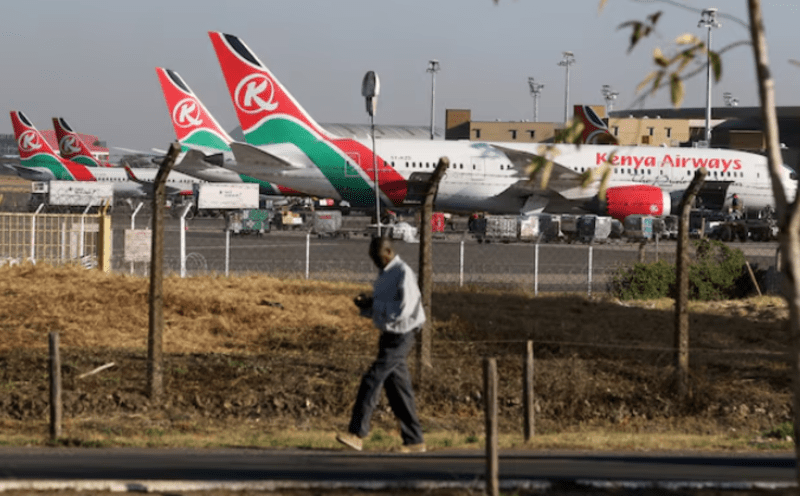
The Kenya Aviation Workers Union (KAWU) has ended its industrial action, which had stopped all operations at East Africa’s main airport after midnight on December 12. The Ministry of Transport and union representatives reached an agreement after conducting extensive closed-door negotiations that lasted several hours.
The government treats the suspension as a diplomatic success, yet the truce details show that the parties involved will continue their conflict until they reach a fundamental settlement.
The union, which had completely closed Jomo Kenyatta International Airport (JKIA) because of the disputed Adani Group takeover plan, returned to work only after receiving a “vetting window” guarantee. The workers will be allowed to evaluate the multi-million shilling contract, which intends to sell off the public asset.
The state must now deal with the substantial burden that this suspension creates. The strike had begun to bleed the economy of hundreds of millions of shillings per hour, which made the ministry show its first sign of defeat. KAWU leaders have made it clear that this is a suspension, not a termination.
The runways will stop operations again if the government does not disclose all details about the Indian firm’s 30-year lease agreement.
The news provides immediate comfort to passengers, but the situation already has serious impacts on Kenya Airways’ flight schedule and the nation’s status as a dependable transit hub. The agreement functions as a short-term solution that does not resolve the deep-seated lack of trust between employees and management.
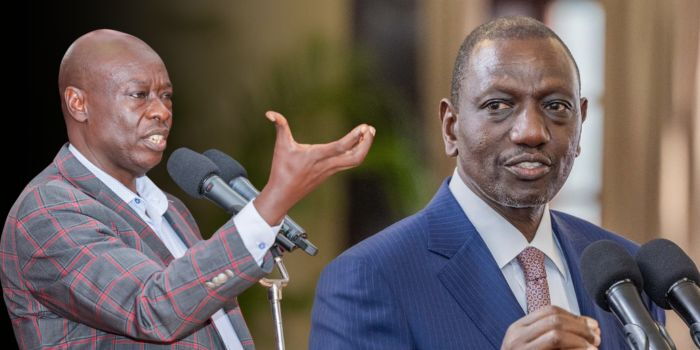
The picket lines end, and operations begin to focus on the detailed terms of the agreement. The aviation workers demonstrate their control over the national economy, but they have decided to maintain operations because their support puts Ruto’s administration in a dangerous political situation.












Leave a Reply