

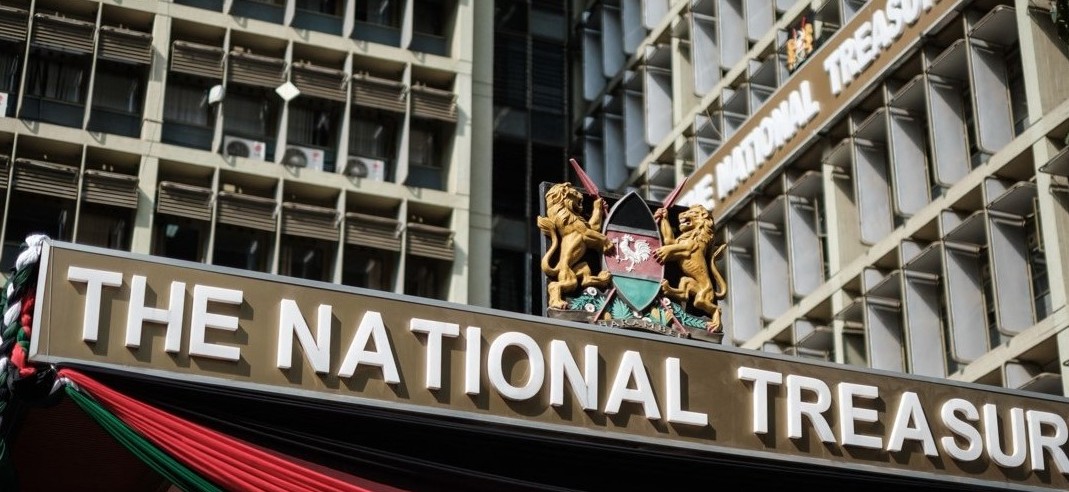
The Kenyan National Treasury has issued a chilling warning regarding a massive KSh 150 billion infrastructure gamble, revealing that the shift toward toll roads could leave taxpayers footing astronomical bills for empty highways.
In a move that shatters the government’s narrative of “debt-free” development, officials have flagged Public-Private Partnerships (PPPs) as a significant threat to the country’s financial stability.
The core of the crisis lies in the Nairobi-Mau Summit Highway and other ambitious tolling projects. Under the current agreements, the government has essentially underwritten the profits of private investors. If traffic volumes fail to meet overly optimistic projections, the Kenyan public is legally obligated to bridge the revenue gap. This “demand risk” means that even if a motorist never sets a wheel on these multi-billion-shilling roads, their tax money will still flow into the pockets of private consortia.
Treasury’s latest fiscal risk report paints a grim picture of contingent liabilities. These are hidden debts that do not appear on the official balance sheet but can explode at any moment. Beyond traffic risks, the state is also exposed to currency fluctuations and political guarantees.
Should the Kenyan shilling weaken further against global currencies, the cost of compensating these foreign investors will skyrocket, potentially paralyzing other essential public services.
Critics are now calling this a “predatory infrastructure model.” While the administration seeks to move away from direct Chinese loans, it is instead tethering future generations to ironclad corporate contracts that prioritize investor returns over public utility.
The “user-pay” principle is being exposed as a facade; in reality, it is a “taxpayer-guarantees-investor-wealth” scheme. With the KSh 150 billion exposure looming, the National Treasury’s rare admission of vulnerability marks a turning point in the debate over who truly owns Kenya’s roads the people or the financiers.







Leave a Reply