

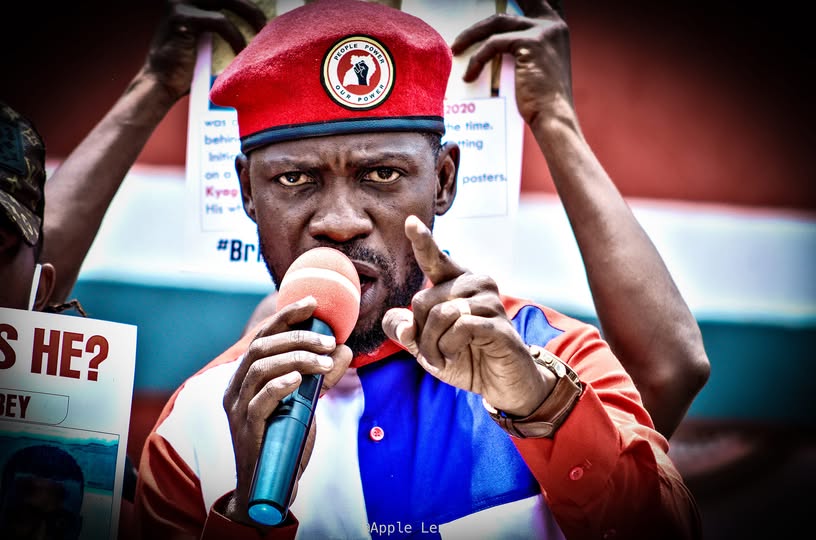
The situation in Uganda has taken a dramatic and unpredictable turn after the contested presidential election held on January 15. The opposition leader, Robert Kyagulanyi Ssentamu, popularly known as Bobi Wine, announced his decision not to appeal the official results during a press conference, calling the judiciary compromised and suggesting the supporters think of alternative methods of resistance.
This announcement was made during an international broadcast of an infrequent interview while Wine is still in the heavy security zone around his house.
President Yoweri Museveni was proclaimed the victor with more than 70% of the vote, which Wine and his party, the National Unity Platform (NUP), have continuously rejected as fraudulent, listing various reasons like ballot tampering, irregularities, and especially intimidating voters in the whole process.
During the interview, Wine was open about the fact that he did not trust Uganda’s courts to serve justice, pointing out that legal actions in the past challenging election outcomes had always been unsuccessful and would merely authenticate what he referred to as a “rigged process.”
Instead of submitting a petition, Wine called on Ugandans to take part in non-violent civic actions to oppose the result, which, on the one hand, indicates a retreat from institutional remedies and, on the other hand, raises concerns about the possibility of violence coming up.
The opposition leader’s remarks have brought to the fore the issue of lack of trust in legal institutions in Uganda’s political setting, where courts have historically ruled in favor of the government in disputes over election results. Wine argued that the very act of collaborating with the judiciary under the prevailing circumstances would, albeit unintentionally, lend credence to the system he asserts is being used to oppress Museveni’s four-decade rule.
Wine’s announcement not to take legal action has been made at a time when thousands of opposition backers have already been picked up by the police for presumed illegal gatherings and other minor offenses related to anti-election protests, thereby raising the bar for more condemnation of government methods.
The decision modifies the opposition’s plan considerably and puts a new strain on all domestic and international stakeholders regarding the issue of Uganda’s electoral process legitimacy. The opposition chief remains mostly in unknown places subjected to heavy security; thus, the country is left with an unclear scenario of political dispute and protest activities.





Leave a Reply