

The international controversy surrounding President Yoweri Museveni’s recent re-election has burst out of the borders of Uganda, with Kenyan human rights activists, among others, fiercely criticizing the result as illegal and full of repression.
East Africa’s most enduring presidency is accused of enforced disappearances, arbitrary detentions of opposition supporters, and the systematic shutdown of civil society organizations, all creating a climate of fear.
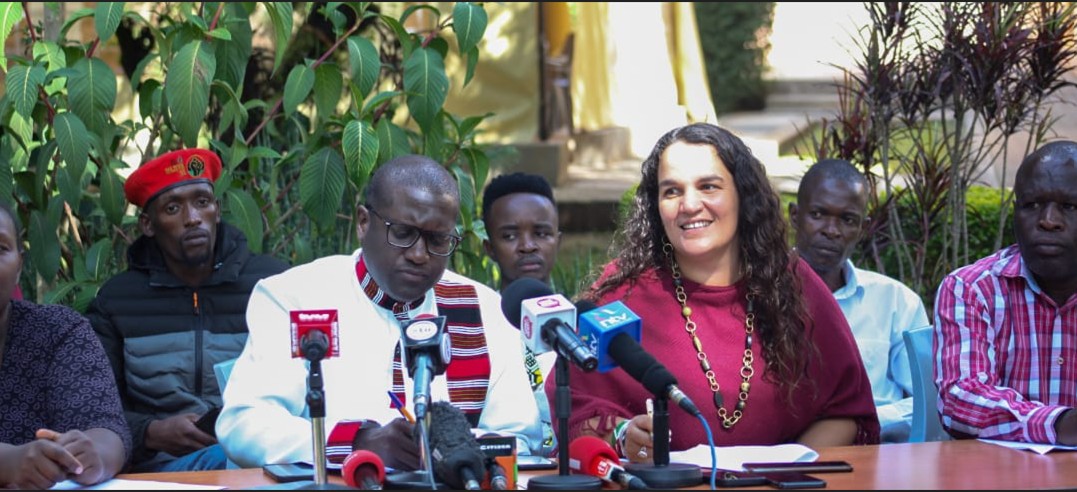
Activists from several rights organizations, speaking at a press conference in Nairobi, described what they called a pattern of state-sponsored abuses in Uganda that existed before, during, and after the January 2026 election, which extended Museveni’s decades-long rule. They stated that his victory was not to be accepted by “countries that support democracy and the rule of law.”
The activists spoke of the alleged mistreatment of opposition leaders, among them Robert Kyagulanyi (Bobi Wine) and his followers, as well as the unlawful detentions of political prisoners that had no charges against them and were denied due process.
They urged the authorities to release all political prisoners immediately and unconditionally, and especially those in long remand to be brought to court or set free without further delay.
The focus was also on the harsh measures taken by Uganda against civil society. Activists demanded the immediate reinstatement of NGOs that had been banned and those who had been victimised to be freed from ‘the weaponry of regulatory agencies’ which had been intended for them, namely, the watchdog, journalists and opposition activists. According to them, the state had rendered civil society ineffective, and dissent was made through the use of bureaucratic and legal instruments.
The major point of critics’ attention was what the activists referred to as militia groups acting freely and security forces who were accused of using arbitrary arrest and surveillance to intimidate critics. They demanded the disbandment of such groups and prosecution of those responsible for alleged violence and harassment.
The activists pleaded with the international community and cautioned that diplomatic solidarity, if not accompanied by sanctions, would mean being part of the problem. They called for travel restrictions and asset freezes for individuals linked to the fraudulent elections and oppression, labeling the present trend of Ugandan politics as a major setback of the democratic principle in the region.
Museveni’s sharp criticism of re-election has prompted a wider discussion on governance, human rights, and election integrity in East Africa, which leads to urgent questions about the future of democracy in a country where a single leader has reigned for a long time.




Leave a Reply