

In Uganda, public access to the internet has been cut off for over four days now, and the authorities are giving an unbelievable and unverified reason that is able to stretch credibility and cause concern about the election’s transparency.
On January 13, 2026, the Uganda Communications Commission (UCC) ordered the shutdown of public internet services all over the country for all mobile network operators and internet providers, a drastic measure taken just two days before a general election on January 15.
The government at first claimed the outage was due to national security, saying it was necessary to stop misinformation and keep the public calm during the delicate voting time.
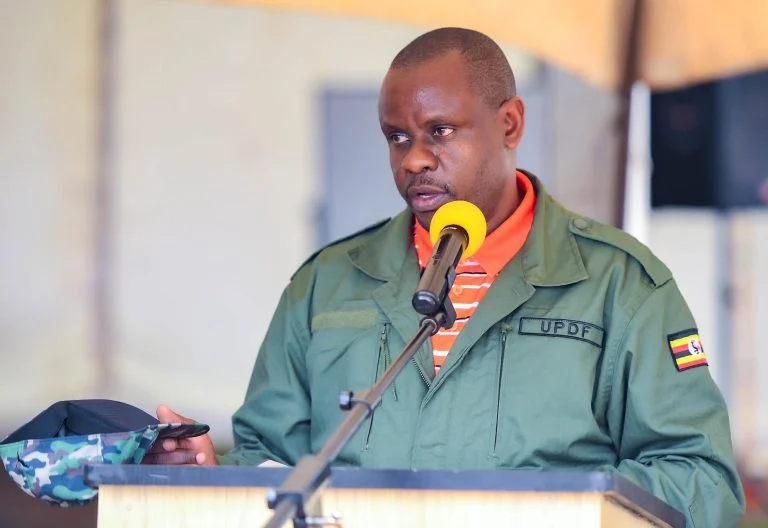
But, in a live interview on January 17, Balaam Barugahara, Uganda’s Minister of State for Youth and Children Affairs, changed the story very much.
He talked about a report that allegedly came from people he knew in Mombasa, Kenya, who stated that a vessel had crashed into an undersea internet cable and that this caused the cable to break and service interruption. He said that the technicians were finding the broken part to reconnect the line to the network.
“More or less, it’s a problem that we are solving. The technicians are working day and night,” Barugahara was quoted as saying to the press, admitting that currently the allegation could not be accepted as correct.
He made it clear that once the repair work was finished, the internet would be made available again, and he even linked the whole process of restoration to the leadership of President Yoweri Museveni, pointing out the youth’s negative perception of politics might be due to their preoccupation with social media and not the priorities of their country.
As yet, there has been no statement from the UCC, the Kenyans, or the telecom companies that a cable break near Mombasa caused by a ship was the reason for the disruption at that time.
In the past, undersea cable faults in East Africa have caused connectivity nightmares, but these events have always been accompanied by proper documentation through monitoring by telecommunication companies and the region’s authorities.
Critics—among them, the human rights community—have denounced the blackout and argued that restricting internet access during an election is a violation of basic rights, leads to a lack of transparency, and silences off-the-record reporting of the electoral process.
With the power cut continuing, Ugandans and international observers living through this election period are questioning whether the government’s varying reasons for the outage are really trying to conceal the political motives lying deeper than in one of the hottest contested election cycles of recent years.





Leave a Reply