

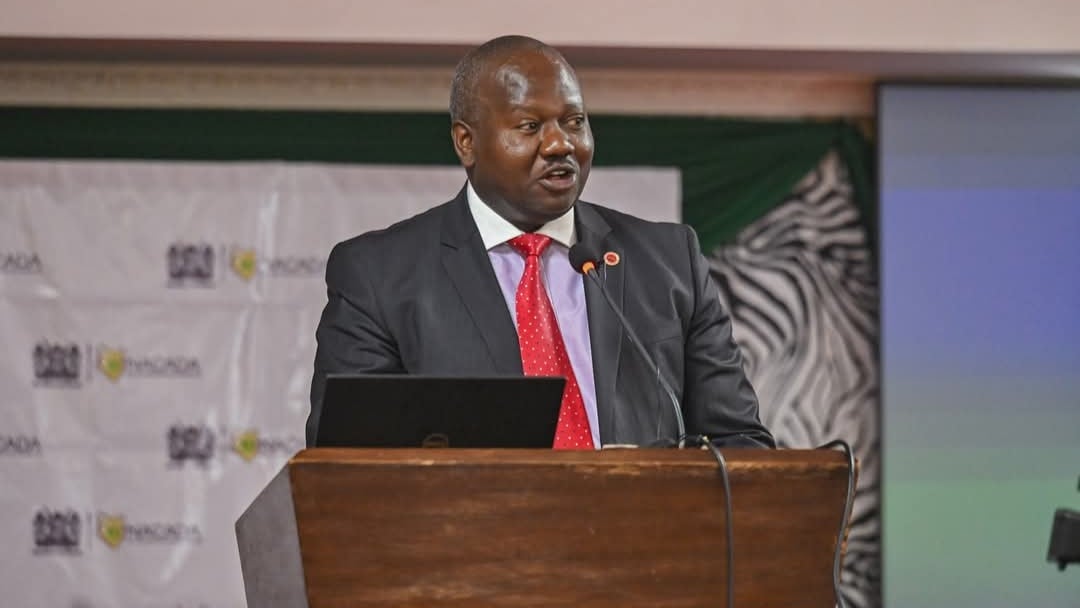
A shocking report issued by the government has placed the retina of the national health crisis over the country, disclosing that over 1.3 million Kenyans are in need of treatment and rehabilitation for drug and alcohol use disorders on an urgent basis; however, they are being let down by the disjointed and ill-equipped addiction treatment system.
These findings, which were made public on Thursday by the National Authority for the Campaign Against Alcohol and Drug Abuse (NACADA), unveil extensive care gaps that might result in the most susceptible populations being deserted and unsupported.
The detailed national survey—which was part of the Rapid Results Initiative and included a total of 236 treatment and rehabilitation facilities in 36 counties—detected that there are only 135 centers that are entirely accredited and can provide basic inpatient and outpatient services. This represents only about 3,800 beds available in the entire country as a whole.
Out of the thirty facilities that applied for accreditation, fifteen were shut down due to their poor safety and operational practices, which included the use of expired medicines, unhygienic conditions, and not having enough qualified medical staff. Another fifty-six centers have been placed under stricter monitoring as a result of not being able to comply with the minimum standards.
The NACADA document reflects the findings from the most recent national survey data, highlighting a drastic inconsistency between the demand and the capacity for addiction treatment in Kenya. More than 1.3 million people—including both urban and rural populations—suffer from alcohol or drug use disorders that necessitate professional intervention; still, the majority of accredited facilities are privately owned and thus economically inaccessible for average families.
The shortage of specialized rehabilitation services for women and adolescents, two categories of patients who are already considered highly vulnerable and requiring special care, stands out as one of the most alarming issues.
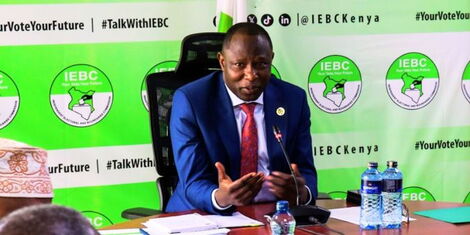
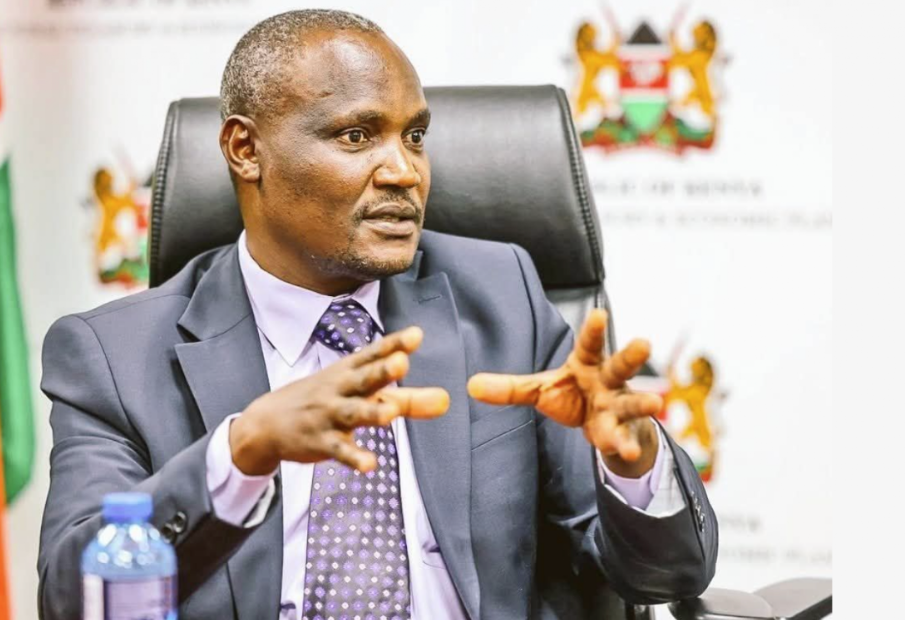
Chief executive officer of the authority, Dr. Anthony Omerikwa, pointed out that the existing infrastructure can’t handle the huge demand for the service and warned that if the expansion of the accessible and quality care is not done quickly, the social and economic costs will become higher.
The report reinforces the government’s orders for the establishment of at least one public rehabilitation center in every county, a policy strongly supported by President William Ruto’s administration as part of the national strategy to combat drug abuse and trafficking.
Meanwhile, the experts also say that the need for timely and effective intervention has become more pressing with the increasing number of untreated cases and the closure of facilities due to non-compliance.
Lawmakers and representatives of the civil society are calling for immediate measures to be taken, including the expansion of public outpatient services, investment in community-based support systems, and the establishment of strict oversight to ensure safe and effective rehabilitation for the millions in crisis.




Leave a Reply