

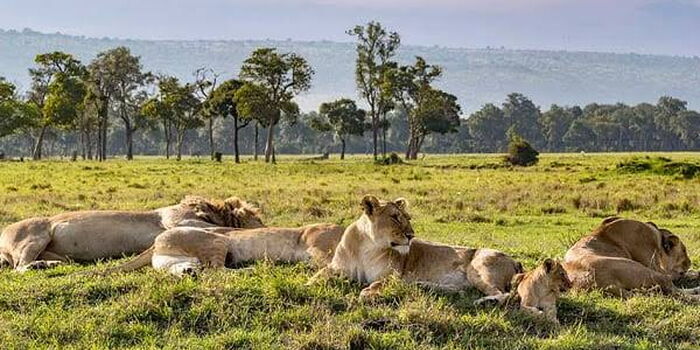
The conservationists and authorities have been greatly shocked and alarmed by a spectacular cross-border wildlife crime, as the two Tanzanian nationals are now linked to the poisoning of six lions and at least 34 vultures. Kenyan officials have confirmed the arrests.
The incident, which took place on the 7th of January in the Kitenden area close to the border between Kenya and Tanzania, is one of the worst poisoning cases ever recorded in the Amboseli region and has led to an investigation involving the wildlife agencies of both Kenya and Tanzania.
Authorities say that all these animals, lions and vultures, were poisoned together, which raises the question of wildlife and the respective methods in the killing of six lions. The two poachers who are currently under observation but not in control have been identified, and Wildlife Service (KWS) teams from Kenya and Tanzania are working on the case together to capture the culprits.
The situation has become so critical that the conservationists are already raising concerns since the vultures were the most endangered bird species in the area, and their disappearance would mean such a critical ecological role in disease control and cleanup of the carcasses would not be replaced.
This indicates the loss of 34 vultures along with the lions as not only a threat to the wildlife of the Amboseli area but also to the biodiversity, which has been preserved through extensive and long-term conservation efforts.
The local authorities have taken a series of swift and controversial actions in response. The management of Kitenden Conservancy and Orgulului/Olalarashi Group Ranch has put a ban on livestock grazing by Kikuyu herders from Kitenden village in Tanzania until suspects are arrested and legal actions are taken.
This unilateral restriction is aimed at getting local communities to cooperate and stop retaliatory conflict; however, it also has the chance of increasing tensions at the border that is already porous.
The wildlife officials of Tanzania assured that they would take firm measures and that every person involved would be punished according to the corresponding national and regional laws on conservation.
The closer the inquiries get, the more both governments feel the pressure to prove that they will not let such outrageous attacks on protected species go unpunished.
The situation has turned wildlife protection into a giant regional test case with great implications for tourism, conservation policy, and community relations at the Kenya-Tanzania border.













Leave a Reply