


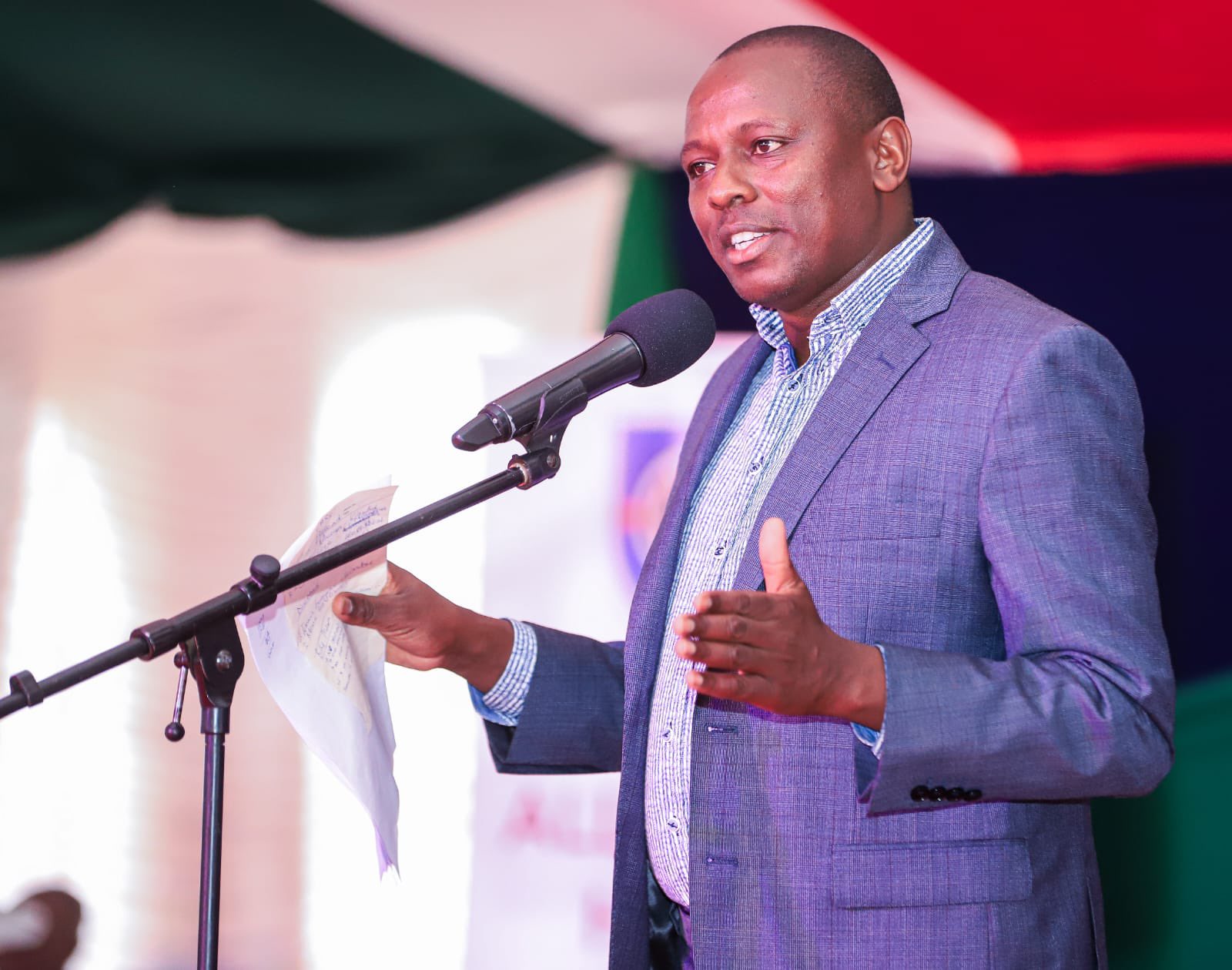
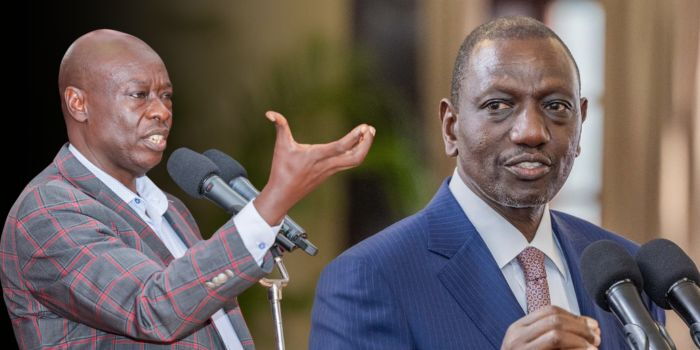
President William Ruto on Friday issued a strong and unyielding criticism to politicians whom he accused of causing division in the education sector in Kenya with their political dialect, claiming that “no child should miss school over politics” in his speech, which has provoked urgent national discussions.
Ruto was speaking at the Nakuru ASK Showground during the dispersal of National Youth Opportunities Towards Advancement (NYOTA) business start-up capital, and he cautioned that the education sector should be insulated from tribal and party manipulation as the country gets closer to the 2027 general elections.
The President insisted that the national schools, which are made with public funds, are a common national property and that they should be open to all the learners in the country regardless of their region, ethnic background, or political affiliation.
He stated that the governments must not allow “tribal or selfish interests” to set the rules for admissions, school placements, or classroom access. “We want our children to study in every institution available to them in Kenya, especially our national schools,” said Ruto, asking the politicians to keep off practices that may make it hard for the students or weaken the merit-based placement systems.
The comments of Ruto come at a time when there is a controversy that is being fueled by the recent claims of former Deputy President Rigathi Gachagua regarding the presence of bias against certain regions in the placement of students in senior schools, which the critics say can potentially stir ethnic tensions among the affected communities.
President Ruto’s reaction was that education must be a battleground free of political influence, adding that quality learning cannot be a bargaining chip in electoral wars.
The President has also revealed the government’s steps to prevent possible school closures, such as the pre-opening capitation fund disbursement of Ksh44 billion for primary, junior, and senior schools.
He further pointed out that the Ksh500 billion education budget has been increased to Ksh700 billion, and 100,000 teachers have been recruited, with 24,000 of them expected to come in later this month to help alleviate teacher shortages.
Analysts opine that the urgent message is a tactical move to calm down the increasing tensions and at the same time to reassure the millions of parents and students whose children are going back to school in mid-January.
Ruto’s plea for unity in education further emphasizes the profound political rifts in Kenya, where the leaders are trying to cope with the twin problem of ambitious education reforms and the pressure of upcoming elections.




Leave a Reply