

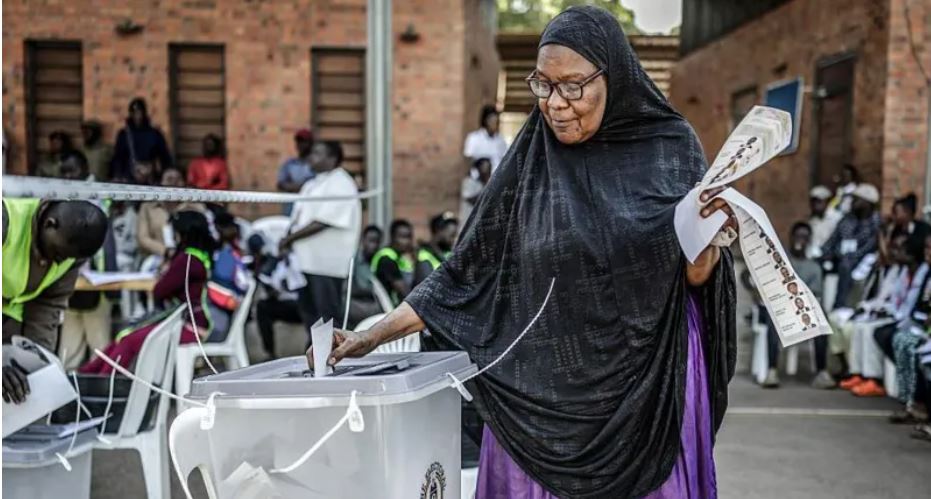
The general election in Uganda has been marred by disorganization due to the massive failure of Biometric Voter Verification Kits (BVVKs) at numerous polling stations throughout the country, with voting taking place late and contributing to the feeling of being disenfranchised in a politically very charged atmosphere.
Reports from all over the country have it that the main technology intended for confirming voters’ identities had either not started or had not worked when the polling began on Thursday morning, thus raising questions about the reliability of the electoral process almost immediately.
The Chairperson of the Electoral Commission, Justice Simon Byabakama, and the rest of the Commission took a prompt and unyielding response to the disruptions, issuing directives that allowed the election officials to use the National Voters Register instead of biometric machines wherever the latter had failed. This decision is meant to make it possible for all the potential voters who have been affected by the technical faults to participate in the election, as their security and digital restrictions are very tight at this time.
“The Commission has said in its press release that voting will start at once by means of the National Voters Register where a BVVK fails to start.” The instructions also require that polling places continue to be open past the designated closing time to allow voters in line to cast their votes.
Reports of delays caused by the equipment that has failed have been coming in from polling stations in both cities and the countryside, where voters were expressing their annoyance over the slow beginnings and long lines. In some locations, the delay in delivering the necessary materials caused the situation to be worse.
The supporters of the opposition and the election monitors are cautioning that the technical faults might lead to a decrease in the number of people who vote in the areas that are important to the competitors, while the critics are saying that the problems have revealed the continuing logistical weaknesses in Uganda’s electoral infrastructure.
Amidst a political standoff characterized by high tension, the technical problems are played out. Yoweri Museveni, who has been ruling since 1986, tries to win the elections for the seventh time as the opposition and human rights organizations point out the restrictions on expressing and gathering, which include a country-wide internet blackout that was imposed before the elections.
In spite of the technical problems, the Electoral Commission claims that the spinning-off measures are in place and that voting is not going to be affected in the areas that are suffering from the outages. The malfunctioning teams have been sent out all over the country to solve the issues and speed up the resolutions.
The technical crisis that is unfolding is likely to draw more attention to the election process and ignite discussions on the integrity and inclusiveness of Uganda’s vote in the coming weeks. As the results start coming out and the inquiry into the reasons for the equipment failures continues, more news will be given.




Leave a Reply