

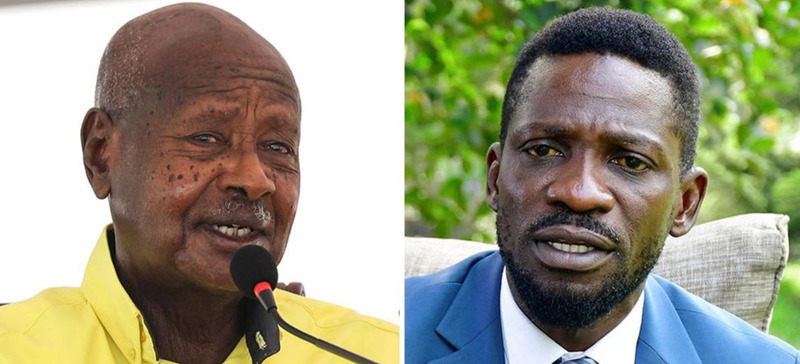
Uganda is at a very important political crossroad with millions ready to vote on January 15 in an election that has quickly become one of the most difficult and monitored in the whole history of the country.
The sitting president, Yoweri Museveni, 81 years old, who has been in power since 1986, fights for his seventh term while the opposition and the international observers express their concern about the integrity of the elections, the use of suppression tactics, and an extraordinary pre-vote clampdown.
Security agents introduced a total internet blackout across the nation less than two days before the opening of the polls, a step that was taken by the authorities as necessary to prevent the spreading of wrong information; however, it is seen by a large part of the public as a tactic to suppress dissent and conceal electoral integrity.
The critics say that the blackout violates freedom of expression, and at the same time, it interferes with the independent observers during the crucial period of the campaign.
The political atmosphere has become more and more militarized. Armored vehicles and armed soldiers are patrolling the streets of Kampala and at the important junctions, with the military representatives saying that the purpose of the deployment is to stop the violence.
Nevertheless, opposition leaders and human rights activists label the increase in security as a type of intimidation aimed at lowering the voter turnout, and at the same time, pro-government activities would be free.
The main contender of Museveni, Robert Kyagulanyi Ssentamu—better known as Bobby Wine—has quickly gained a huge number of votes in the younger generation and the urban population demanding a change.
His campaign has been constantly interrupted by security forces, and he himself has appeared at rallies in body armor, which highlights the highly charged political climate where the opposition candidates are competing.
Political analysts are cautioning that the combination of digital suppression and large security presence could alter not only the behavior of voters but also the international view of the election.
The 21.6 million registered voters, and the results that are going to be announced within 48 hours after the closing of polls, make it a matter of worldwide interest to see if Uganda’s old government will continue or if demands for change will create a new political era.





Leave a Reply