

 Wamuzi News Ke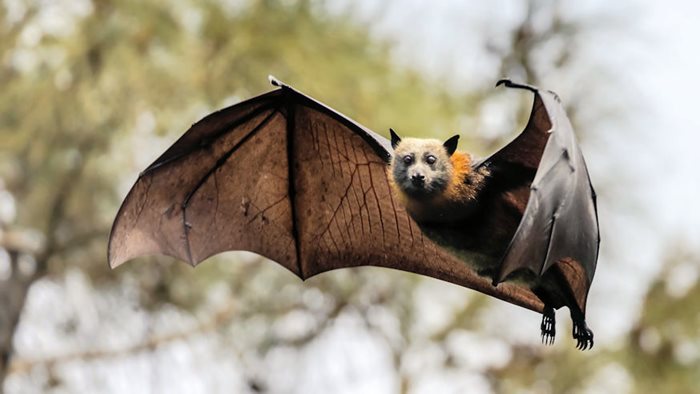
The monstrous visuals of hundreds of bats flying through the wards of Lugulu Hospital have raised an immediate alarm among the patients, medical personnel, and the whole western Kenya population. The unanticipated incursion has not only paralyzed the vital services but also raised the fears of disease, infection, bad omens, and the metaphor that have the residents asking for the government to intervene instantly.
The peculiar invasion took place in the early hours of Monday, thus surprising the staff and the patients. The reports tell that the winged animals got into several wards, waiting rooms, and hallways, which caused a panic where patients scared of the bats ran away from beds occupied by the nurses trying to direct the occupants to safe places.
The first-person reports narrate the same things that the staff declare to be things they have not seen during their years of working in a hospital. The patients on stretchers and in beds were taken by surprise when the wings made noises and the squeaking got louder.
The majority tried to get away from the bats, which led to emotional suffering and bewilderment. “No one was ready—out of the blue, they were all over, flying around the lights, sitting on the curtains and the frames of the beds,” said a nurse who opted for anonymity. “Some patients cried; others could not even move because they were so weak. It was total chaos.”
Bats were seen in the halls that connect maternity, emergency, and outpatient departments, which led to the temporary shutdown of those areas while the staff was trying to control and get rid of the animals. The outbreak has raised the concern of the health authorities in terms of public health, as they have to deal with the implications that come with this type of incident.
Bats are classified as carriers of zoonotic diseases, which include rabies, histoplasmosis, and others that are transmitted to humans through bites, scratches, or exposure to droppings. Dr. Stanley Muturi, a regional health official, cautioned that contamination of surfaces and air in the hospital could lead to major risks, especially to patients with weak immune systems.
“We treat this matter very seriously, and the whole thing has turned the infection-control issue urgent,” he was quoted saying. “The first thing we want to do is to evacuate the compromised areas, to decontaminate the affected sections, and to make sure there is no cross-infection.”
Cleaning crews and pest control teams were dispatched as the hospital discontinued routine services in the areas concerned. Patients with non-critical conditions were moved to adjacent facilities to avoid exposure.